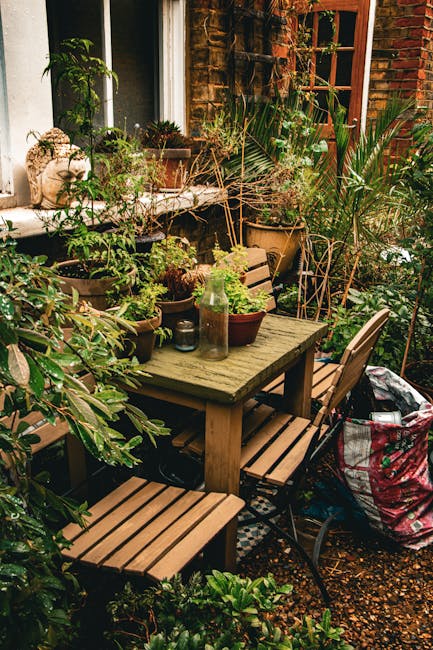
Real cost surprises in Brimsdown garden clearance
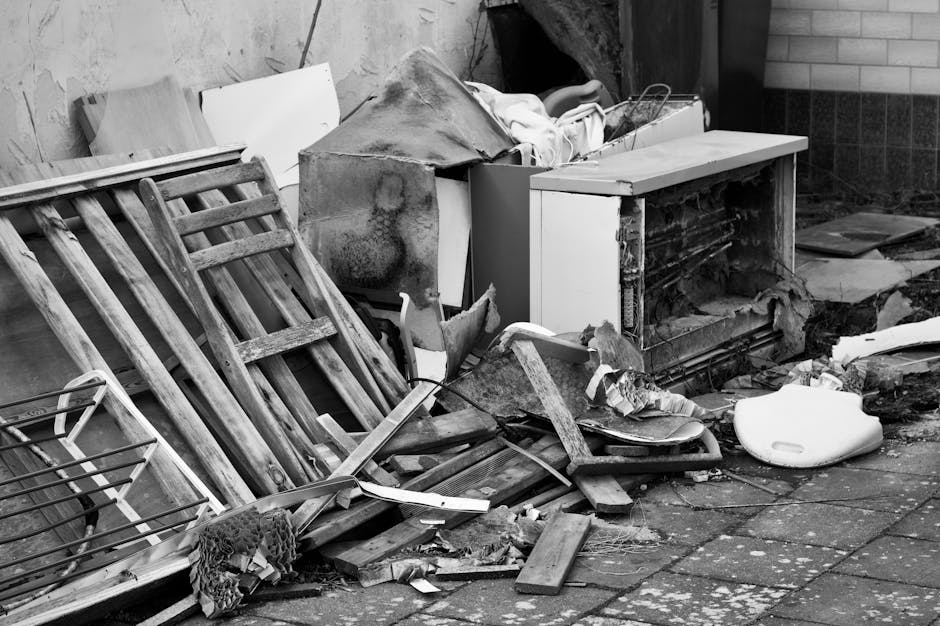
Garden clearance looks straightforward until the quote lands, the pile is bigger than expected, and suddenly the "cheap" job is not so cheap after all. That is the real story behind Real cost surprises in Brimsdown garden clearance: the price usually changes because the work changes, and the changes are often hidden in plain sight. If you are clearing a small back garden, a heavy overgrown plot, or a space that has been left for a while, the final bill can move for reasons that are easy to miss at first glance.
In this guide, we will unpack the main cost surprises, show you how garden clearance is normally priced in Brimsdown, and explain the practical steps that help you stay in control. You will also find a checklist, a comparison table, and a few realistic examples from the sort of jobs people actually face. No fluff. Just the stuff that saves money and avoids that awkward moment when the team starts loading the van and you realise, oh, that ivy was doing a lot more than you thought.
Why Real cost surprises in Brimsdown garden clearance Matters
Cost surprises are frustrating because they usually arrive after you have already decided to go ahead. That is the point where most people feel stuck: you want the garden cleared, but you do not want the bill to creep up because of loose ends nobody mentioned at the start.
In Brimsdown, the biggest issue is not usually the basic labour. It is the extras that sit around it. A garden may look like a simple clearance job from the gate, but once work starts, hidden factors can change the time, waste volume, and disposal method. That can affect the final price more than people expect.
Why does this matter so much? Because garden clearance often happens under pressure. Maybe you are preparing a property for sale, trying to reclaim a usable family garden, or dealing with an overgrown space before starting a larger landscaping project. If you do not understand the likely extras, it becomes very easy to accept a quote that is too vague to protect you.
Expert summary: the cheapest quote is only cheap if it covers the actual job. A transparent quote that explains waste, access, labour time, and removal is usually the better value, even if it looks higher at first.
How Real cost surprises in Brimsdown garden clearance Works
Most garden clearance pricing starts with a basic assessment of volume, access, and labour. That sounds simple, but each part has moving pieces.
First comes the visible workload: grass cuttings, leaves, branches, weeds, brambles, old pots, broken fencing, dead plants, and perhaps a tired old shed corner that has become a dumping spot. Then comes the less visible part: how long it will take to cut, bag, load, and transport everything safely. Finally there is disposal. Green waste, mixed waste, and bulky waste are not always treated the same way.
A quote can change when the team discovers one or more of the following:
- access is narrower than expected
- the pile includes soil, rubble, timber, or household junk mixed into green waste
- there are thorny or dense sections that take longer to clear by hand
- trees or large shrubs need specialist attention
- the work needs extra labour or multiple trips
- items need to be dismantled before removal
That is why a proper quote should not just ask, "How big is the garden?" It should ask what is in it, how easy it is to reach, and what needs to be removed. A good provider will usually be happy to explain this, especially if they also offer related work such as garden maintenance or ongoing tidy-ups after the clearance.
To be fair, most pricing surprises are not scams. They are scope issues. Still annoying, yes. But often avoidable.
Key Benefits and Practical Advantages
Understanding cost surprises is not just about saving money on one job. It helps you make better decisions across the whole project.
- Better budgeting: You can set a realistic allowance instead of guessing.
- Less stress on the day: Fewer awkward conversations when the team arrives.
- Cleaner scope control: You know what is included and what is not.
- Better value comparison: Quotes become easier to compare fairly.
- Smarter follow-on planning: Clearance often links to other gardening services, so knowing the real cost helps you plan the next stage.
There is also a quality benefit. When you budget properly, you can choose the right level of service instead of trimming everything to the bare minimum. In practice, that often means the garden ends up in better shape, and stays that way longer.
And yes, a properly cleared garden is just nicer to look at. You notice the light again. You hear the birds instead of the dry rustle of dead growth. Small thing, maybe. But it matters.
Who This Is For and When It Makes Sense
This topic is relevant if you are:
- selling or letting a property and need the outside space presentable
- taking over an overgrown rental or inherited garden
- preparing for building, fencing, patio, or planting work
- trying to reclaim a garden that has become too much to manage alone
- looking for a one-off tidy-up before regular upkeep starts
It also makes sense if you are comparing clearance with other services. Sometimes you do not need a full clearance at all. If the issue is mainly lawn overgrowth, then lawn mowing or lawn care may be the better choice. If the problem is hedges blocking access, hedge trimming might reduce the scale of the job before the clearance starts.
If the garden contains structural elements, there may be other services to consider too. Old panels, broken posts, or boundary issues can affect how the job is carried out, which is where fencing work or decking services may come into the conversation after the clearance is finished.
The short version: if the space is more complicated than a quick tidy, cost surprises become much more likely. That is when proper scoping pays off.
Step-by-Step Guidance
Here is a practical way to approach garden clearance without getting caught out.
- Walk the garden properly. Do not just glance from the patio door. Check corners, sheds, behind hedges, side returns, and any hidden pile-ups.
- List everything that needs removing. Green waste is one thing. Mixed waste is another. Soil, rubble, timber, and metal can change the quote.
- Take a few clear photos. Wide shots, close-ups, and shots of access points help a lot. A few minutes now can save a back-and-forth later.
- Ask what is included. Labour, loading, disposal, sweeping up, and minor dismantling are often where differences appear.
- Check access details. Narrow side gates, steep steps, distance to the van, or shared access can all affect labour time.
- Confirm waste handling. Ask how green waste and mixed waste are treated. It is a boring question, but a smart one.
- Get the quote in writing. That way, if the scope changes, you can see what changed and why.
- Decide whether to combine jobs. Sometimes it is more efficient to clear, tidy, and then move into garden clearance plus follow-up maintenance in one plan.
A small example: a front garden with a few bags of clippings is usually simple. A back garden with brambles, a dead conifer, old sleepers, and half a broken shed is not simple at all. Same phrase, wildly different job. That is where the pricing surprise hides.
Expert Tips for Better Results
Over the years, the best savings usually come from better information, not hard bargaining.
- Be brutally honest about the mess. People sometimes underdescribe the job because they are embarrassed. Don't be. The quote can only be accurate if the details are accurate.
- Separate what stays from what goes. If there are planters, tools, decorative stones, or a compost heap you want kept, mark them clearly before the team arrives.
- Ask about access before the visit. A job that looks close to the road may still involve a long carry route. That matters.
- Consider timing. After heavy rain, a garden can be harder to work in. Wet waste is heavier, and soft ground slows loading. One damp morning can change the mood of the whole job, truth be told.
- Compare like with like. A cheap quote that excludes disposal is not really cheaper.
It also helps to think beyond the immediate clearance. If the garden will need rebalancing afterwards, using services such as landscape gardening or simple ongoing garden maintenance can stop the same overgrowth from returning too fast.
One more thing: if a provider says, "We need to see it first," that is not a red flag by itself. For larger or more cluttered gardens, it is often the sensible answer.
Common Mistakes to Avoid
The biggest mistakes are usually ordinary ones. Easy to make, easy to avoid next time.
- Getting a quote from photos alone when the garden is heavily overgrown. Pictures help, but they do not always show depth or access problems.
- Not mentioning mixed waste. Old fence panels, broken pots, rubble, and garden furniture can all change the job.
- Assuming everything is priced by the hour. Some work is flat-rate, some is not. Never assume.
- Forgetting about cutting back before clearance. If hedges or trees block waste removal, the job may expand into tree surgery or tree lopping and removal.
- Skipping the written scope. A verbal agreement is fine for a quick chat, but it is thin protection if things change.
Another common one: people leave the "heavy stuff" out of the description because they think it is obvious. It is not obvious. Not to the quote, anyway.
Tools, Resources and Recommendations
You do not need specialist gear to prepare for a quote, but a few basic tools help you get a better result.
- a phone camera for wide shots and close-ups
- a notepad or notes app to list what needs removing
- a tape measure if access is tight
- a bin bag or marker to separate keep items from waste
- gloves if you are moving small items before the visit
Useful internal pages to review before you book include pricing and quotes if you want to understand how estimates are typically approached, and recycling and sustainability if you care about how green waste is handled after removal.
If you are planning broader outdoor work, it can also be smart to look at patio cleaning or landscaping so the clearance fits neatly into the next stage. Clearing first and then cleaning or reshaping often gives the best value, because you are not redoing work twice.
For peace of mind, read the practical policies too. The pages on health and safety, insurance and safety, and payment and security are especially helpful if you want to know how a professional service handles risk and transactions.
Law, Compliance, Standards, or Best Practice
Garden clearance is not just a question of tidiness and price. There are practical standards and legal responsibilities that matter, especially around waste, safety, and access. You do not need to become an expert in the rules, but you should expect the work to be handled responsibly.
In the UK, waste from garden clearance should be dealt with properly, and mixed waste should not be treated like simple green waste. If soil, timber, rubble, or household items are included, the disposal route may be different. That is one reason quotations can change after inspection. It is normal. Slightly tedious, yes, but normal.
Good practice also means:
- working safely around sharp tools, trip hazards, and uneven ground
- protecting neighbouring access where relevant
- keeping work areas as tidy as reasonably possible during clearance
- being clear about what is included in the price
- using insured and accountable methods for labour and disposal
If you are comparing providers, it is sensible to look for clear business information, not just a low headline figure. Pages like about us, terms and conditions, and the complaints page can tell you a lot about how a company handles service issues and customer expectations.
That is especially relevant if the job is awkward, large, or time-sensitive. In those cases, clarity matters more than charm. A lot more.
Options, Methods, or Comparison Table
Not every garden needs the same approach. Sometimes a full clearance is the right answer. Other times, a lighter method is enough.
| Option | Best for | Typical risk of cost surprises | What to watch |
|---|---|---|---|
| Light tidy-up | Small amounts of clippings, leaves, and weeds | Low | Mostly labour time and waste bags |
| Standard garden clearance | Overgrown beds, brambles, loose waste, general reclaiming | Medium | Access, waste volume, and hidden mixed waste |
| Heavy clearance | Dense growth, bulky branches, old structures, multiple waste types | High | Specialist tools, extra labour, disposal complexity |
| Clearance plus follow-up maintenance | Gardens that need to stay under control after the initial job | Medium | Scope creep if the follow-up is not clearly separated |
The main decision is simple: do you need the space cleared once, or cleared and kept in shape? If it is the second one, then pairing clearance with ongoing gardening services can be more cost-efficient than repeating emergency clearances every few months.
Case Study or Real-World Example
Here is a realistic example based on a common type of Brimsdown job.
A homeowner wants a back garden cleared before spring. From the patio door, it looks like "mostly weeds and a bit of rubbish." Fair enough. But once the garden is walked properly, the picture changes: a bramble patch in one corner, old cuttings behind a shed, some damp timber, two cracked planters, and a hedge that has grown across the side access. Suddenly it is not a quick tidy. It is a mixed clearance with access issues.
The price surprise in that case usually comes from three places:
- Access work - the side route needs cutting back before waste can come through.
- Waste segregation - green waste is separate from timber and other mixed materials.
- Labour time - thorny growth and awkward carry routes slow the job down.
If the customer had only said, "It's just a small overgrown garden," the quote would likely have been off. Not wildly off perhaps, but off enough to create tension. Once the extra details were shared, the revised plan became more accurate, and the job could be completed without surprises.
That is really the lesson here. Honest detail upfront usually protects both sides.
Practical Checklist
Use this before requesting a quote.
- Walk the whole garden, including hidden corners
- Separate green waste from mixed waste where possible
- Note anything bulky, heavy, sharp, or awkward
- Check whether access is narrow, steep, or shared
- Take photos in daylight
- List anything that must stay in place
- Ask whether labour, loading, and disposal are included
- Confirm whether stump work, hedge cutting, or dismantling is extra
- Get the scope in writing
- Review the follow-up plan so the garden does not slip back into overgrowth
Quick rule of thumb: if you have to say "there's probably a bit more than that" after the quote arrives, the quote was probably under-scoped in the first place.
Conclusion
Real cost surprises in Brimsdown garden clearance are usually not mysterious. They come from hidden waste, poor access, vague descriptions, and assumptions about what is included. Once you know what to look for, those surprises become much easier to avoid.
The best approach is simple: describe the job properly, check access, ask about waste handling, and compare quotes on the same basis. Do that, and you are far more likely to get a fair price, a smoother visit, and a garden that finally feels usable again. That calm feeling when the space is clear and open again? Hard to beat, honestly.
Get a free quote today and see how much you can save.
If you want a service that is transparent about process, safety, and expectations, it is worth reviewing the company information before you book. A little due diligence now can save a lot of hassle later, and that is money well spent.
Frequently Asked Questions
What usually causes the biggest cost surprise in garden clearance?
The biggest surprise is often waste type. A garden that looks like simple green waste can turn into mixed waste if there is timber, rubble, old furniture, or broken garden items hiding underneath.
Is a garden clearance quote usually fixed?
Not always. Some quotes are fixed if the scope is clear, but many jobs are only accurate after a visit or detailed photos. If the garden is overgrown or access is tight, a site check is often the safer option.
Why does access affect the price so much?
Because access affects time and effort. Narrow side gates, long carry routes, steps, mud, or shared entrances can all slow down loading. That extra labour is often where the difference appears.
Can I reduce the cost before the team arrives?
Yes. Separate keep items from waste, clear a pathway where safe, and take away anything obvious that you do not want removed. A few small prep steps can make a real difference.
Do hedge cuttings and tree branches count as green waste?
Usually yes, but only if they are not mixed with other materials. Once soil, rubble, metal, or household waste is added, disposal becomes more complicated and the price can move.
Is it cheaper to combine clearance with other garden work?
Sometimes, yes. If you already need hedge trimming, mowing, or a bit of ongoing maintenance, combining jobs can be more efficient than arranging separate visits. It depends on the exact scope.
How do I know if I need clearance or just tidying?
If the garden has lost usable space, has dense growth, or contains waste to remove, clearance makes sense. If it is mainly untidy but still manageable, a lighter maintenance visit may be enough.
Should I worry about compliance or waste handling?
You should at least ask about it. Responsible garden clearance should handle waste properly, manage safety, and be clear about disposal. That is standard professional practice, not a bonus feature.
What details should I include when asking for a quote?
Include the size of the garden, what needs removing, any access issues, whether the waste is mixed, and whether anything heavy or bulky is involved. Photos are very helpful too.
Why do some quotes look much lower than others?
Often because they exclude something important. Disposal, loading, dismantling, or extra labour may not be included. A lower quote is only useful if it covers the same work.
What if the garden is more overgrown than I first thought?
That happens all the time. Just be honest about it as soon as you notice. Better to adjust the quote before the job than to deal with friction halfway through. It is far less stressful, for everyone.
Can a clearance job turn into landscaping work?
Yes. If the garden is being reset after clearance, it may lead naturally into landscaping, patio cleaning, fencing, or other improvements. Clearing the space properly first makes those next steps easier.