Best gardeners near Brimsdown station for small yards
If you live near Brimsdown station and your outdoor space feels more like a narrow pocket than a proper garden, you are not alone. Small yards can be charming, but they also punish lazy planning. The wrong plant, the wrong layout, or one overgrown hedge can make everything feel cramped fast. That is why choosing the best gardeners near Brimsdown station for small yards matters so much: the right gardener can turn a tight space into something calm, practical, and actually enjoyable to use.
In this guide, you will find a clear way to judge local gardeners, understand what small-yard work really involves, and make better decisions about maintenance, planting, privacy, and budgeting. We will also cover the most common mistakes people make with compact gardens, plus a few useful links to deeper advice on hedging, vertical planting, low-maintenance ideas, and more. No fluff. Just the bits that help when space is tight and every square metre counts.
Table of Contents
- Why best gardeners near Brimsdown station for small yards matters
- How best gardeners near Brimsdown station for small yards works
- Key benefits and practical advantages
- Who this is for and when it makes sense
- Step-by-step guidance
- Expert tips for better results
- Common mistakes to avoid
- Tools, resources and recommendations
- Law, compliance, standards, or best practice
- Options, methods, or comparison table
- Case study or real-world example
- Practical checklist
- Conclusion
- Frequently asked questions
Why best gardeners near Brimsdown station for small yards matters
Small yards need a different mindset from larger suburban gardens. There is nowhere for bad decisions to hide. A bulky shrub can swallow the whole view. A poorly placed path can waste the little usable ground you have. Even routine jobs like mowing, hedge trimming, or patio cleaning become more noticeable because the eye lands on every detail.
That is why a gardener who understands compact spaces is worth more than a general "can do anything" approach. The best people for the job know how to make a modest yard feel open, structured, and low-fuss without stripping out character. They think in layers, edges, and light. They notice how one corner gets afternoon shade while another catches the wind. They know when a garden should be simplified rather than stuffed with features.
For homes near the station, that local awareness matters too. Brimsdown gardens often have practical constraints: side access, small back plots, fence lines that need regular attention, and neighbours close by. A good gardener understands how to work neatly, keep disruption low, and make improvements that suit everyday life rather than magazine covers. Truth be told, most people just want a space that looks cared for on a Tuesday morning. Fair enough.
If you are starting from scratch or the garden has slipped a bit, a service such as garden maintenance can be a sensible foundation. If the space is more tired than tidy, the article jumpstarting the renovation of your unkempt garden is also a useful read for seeing what a reset can look like.
How best gardeners near Brimsdown station for small yards works
Good small-yard gardening is less about doing everything and more about doing the right things in the right order. A strong gardener usually begins by assessing three things: available space, the existing condition of the garden, and how you actually use the area. Is it a storage run? A family sit-out? A pet space? A quiet place for morning tea? That answer shapes everything.
From there, work tends to fall into a few practical stages.
- Site review: The gardener checks sun, shade, drainage, access points, fence lines, and awkward corners.
- Clear-out or cut-back: Overgrown growth is reduced so the structure of the garden can be seen properly.
- Functional layout: Paths, borders, seating, containers, or lawn areas are defined with intention.
- Plant selection: Compact, resilient, or vertical-growing plants are chosen to avoid crowding.
- Ongoing upkeep plan: The gardener sets a maintenance rhythm that suits your time and budget.
In a small yard, the order matters. For example, planting before fixing drainage often leads to muddy regrets later. And putting up a hedge without considering mature width can leave you trimming forever. Nobody wants a hedge that behaves like a needy roommate.
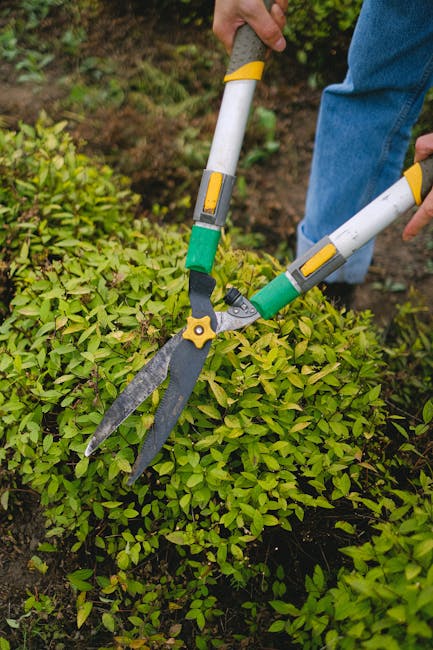
Local gardeners who handle compact outdoor spaces well also tend to offer service combinations, such as lawn care, lawn mowing, hedge trimming in Brimsdown, and even patio cleaning when surfaces need a tidy-up alongside the planting work. That combination approach is often what makes a compact garden feel properly finished.
Key benefits and practical advantages
The best gardeners near Brimsdown station for small yards do more than "keep things tidy." They solve problems that show up again and again in compact spaces.
- Better use of space: Every corner gets a purpose, even if that purpose is visual breathing room.
- Less clutter: Simple layouts reduce the feeling of crowding.
- Easier maintenance: Small gardens can become surprisingly high-maintenance if the planting is too busy.
- Improved privacy: Clever screening can make a yard feel calmer without boxing it in.
- More seasonal interest: The garden still looks alive through the year, not just in June.
- Safer, cleaner surfaces: Useful in homes with children, older adults, or pets.
There is also a quieter benefit: a well-run small garden feels good to live with. You step outside, and it is not shouting at you. No overgrowth brushing your arms, no wobbly pots, no half-finished corners. Just a space that works. That feeling is hard to price, but you notice it every time you open the back door.
For many small yards, the biggest win comes from vertical thinking. A compact boundary can support climbers, trellis planting, or layered screening. If that sounds like your situation, have a look at garden upwards with vertical gardening innovations and evergreen climbers for shade. They are especially helpful where floor space is limited but you still want greenery with presence.
Who this is for and when it makes sense
This kind of gardening support is a good fit if your garden is:
- a small back yard with hard surfaces and a narrow planting strip
- a courtyard, side return, or compact patio area
- sloped, awkward, or shaded in a way that makes DIY planning frustrating
- used by children, pets, or both
- currently overgrown and hard to reset on your own
- meant to feel private but not blocked in
It also makes sense if you keep starting with good intentions and then life gets in the way. Happens to plenty of people. One weekend you plan to weed the border, and by Sunday evening you are staring at a thicket and wondering where the time went. A professional gardener can break that cycle and keep the space manageable.
This is especially useful if you want a garden that stays presentable with modest effort. The guide low-maintenance garden ideas gives a good sense of how to keep things attractive without building yourself a second job.
Step-by-step guidance
If you are choosing a gardener for a small yard near Brimsdown station, it helps to follow a simple process. You do not need a grand plan. You do need a practical one.
- Walk the space with fresh eyes. Notice where you naturally move, where water collects, and which areas look cramped first.
- Decide the garden's main purpose. Relaxing, storage, privacy, play, growing herbs, or a mix? Small gardens work best when one idea leads.
- List your non-negotiables. For example: keep a small lawn, improve privacy, add pots, or make the yard dog-friendly.
- Ask the gardener how they would simplify the space. Good answers usually mention shape, access, structure, and plant scale rather than just "we can add some plants."
- Check how maintenance will work afterwards. A lovely design is only useful if you can maintain it.
- Agree the first phase before the rest. In small spaces, a phased approach is often safer and less costly.
A sensible first phase might be clearing, tidying, and making the boundaries look clean. Then comes planting or features. Then, if the garden needs it, a second pass for structure such as fencing, seating, decking, or screening. If you are trying to decide what to prioritise, gardening services and landscaping are often the broadest starting points because they allow a gardener to shape the whole picture rather than just trim one bit.
For compact yards, it is worth thinking about the garden "from the fence inward." That sounds a little odd, maybe, but it helps. Boundaries, corners, and transitions usually define the whole feel of the space.
Expert tips for better results
Here are the practical habits that tend to separate an average job from a genuinely good one.
- Choose smaller, slower-growing plants near the sitting area. Big leaves and big growth are lovely until they eat the walkway.
- Use repeating shapes. A repeated pot style, edging line, or clipped form creates calm.
- Keep a visual gap. Not every corner needs to be filled. Empty space is useful.
- Mix height, not width. Vertical interest usually works better than spreading plants in tight yards.
- Plan for winter, not just summer. The garden still needs structure in January.
- Use hedges and climbers carefully. They can make a small yard feel private, but only if the scale is right.
One of the best things a small-yard gardener can do is reduce "visual noise." That means fewer tiny competing features, fewer clashing pots, and fewer plants that flop everywhere after rain. If you want a quieter, more secluded atmosphere, the article designing a private oasis is worth a look, along with quick-growth hedges to keep your space secluded.
And yes, think about scent too. A tiny yard with one or two carefully placed fragrant herbs or flowers can feel far more generous than a packed border. Little thing, big effect.
Common mistakes to avoid
Small gardens punish overconfidence. Not harshly, but enough that you will notice.
- Overplanting: It is tempting to buy five things when two would do.
- Ignoring mature size: A plant that looks neat in the pot can become a space thief later.
- Choosing features without purpose: A tiny yard cannot carry random ornaments very well.
- Forgetting access: Every bed, bin area, and gate needs workable movement space.
- Using tall screening in the wrong spot: Privacy is useful; shadowing the whole garden is not.
- Skipping maintenance planning: A compact space can look messy quickly if there is no routine.
Another classic mistake is assuming every garden needs a lawn. Sometimes it does. Sometimes it really, really does not. In a small yard, a patch of grass may be more work than joy, especially if it gets little sun or constant foot traffic. A gardener with real small-space experience should be able to say that plainly, not push turf just because turf is familiar.
If weeds are the main issue, a targeted approach helps more than a brute-force one. See 3 tips to effectively control weeds for a straightforward starting point.
Tools, resources and recommendations
The right tools matter, but they do not need to be fancy. For compact gardens, precision beats bulk every time.
| Need | Best approach for small yards | Why it helps |
|---|---|---|
| Tidying borders | Hand tools, light pruning, selective cutting | Gives control in tight corners |
| Privacy | Climbers, trellis, clipped hedging | Adds screening without eating floor space |
| Low upkeep | Hardy planting, mulch, fewer plant groups | Reduces weekly maintenance |
| Seasonal colour | Containers, bulbs, compact perennials | Allows flexibility and change |
| Structure | Edging, paving, seating, raised lines | Makes the space feel deliberate |
Useful supporting reads include gardening essentials tools for the serious enthusiast, container gardening innovation in urban spaces, and ground cover plants for UK gardens. These are especially relevant if your yard needs practical planting choices rather than elaborate design work.
One more practical recommendation: if your garden needs a proper reset, ask whether the gardener can handle both the tidy-up and the longer-term setup. That is usually easier than coordinating several separate jobs, and it keeps the look more consistent. Slightly boring? Maybe. But effective. And in gardening, effective wins.
Law, compliance, standards, or best practice
For small-yard garden work in the UK, the main thing is sensible best practice rather than heavy regulation. Still, a reputable gardener should work carefully, respect boundaries, and follow good safety habits. That usually includes considering access, using equipment properly, and avoiding damage to fences, paving, drains, or neighbouring property.
If the job involves tree work, larger pruning, or boundary-related issues, caution matters. A professional should know when something is routine garden maintenance and when it begins to look more like specialist work. The same goes for work around damaged fences, unstable structures, or slippery patios.
It is also wise for any service provider to be clear on safety and customer care. Pages such as health and safety policy, insurance and safety, terms and conditions, payment and security, and complaints procedure help build trust, even if you never need them. Better to have that transparency upfront than wonder about it later.
For privacy and data handling, you may also want to review the company's privacy policy, cookie policy, and accessibility statement. That is not glamorous, no. But it is part of a proper professional setup.
Options, methods, or comparison table
Not every small garden needs the same kind of care. Here is a simple comparison to help you decide what direction fits best.
| Approach | Best for | Strengths | Trade-offs |
|---|---|---|---|
| Routine maintenance | Already decent small yards | Simple, affordable, keeps things in shape | Limited transformation if the garden is tired |
| Light redesign | Spaces that need better layout and planting | Improves flow and function without major building work | Needs planning and a clear brief |
| Full compact-landscape refresh | Overgrown or awkward yards | Most dramatic improvement | Takes more time and usually a bigger budget |
| Feature-focused work | Private seating, screening, or pet-friendly zones | Solves one major problem well | May not address the whole garden |
If the garden needs structural changes, such as better boundaries, awkward edging, or a safer enclosure, you may also end up looking at fencing or related landscaping work. That is often the point where a good gardener becomes less of a "maintenance person" and more of a space problem-solver.
For small yards, the best choice is usually the one that solves the most obvious pain point first. Privacy. Mess. Shade. Mud. Pets. Pick the real problem, not the imagined one.
Case study or real-world example
Consider a typical compact yard near a station: a narrow rear space with a worn patio, a strip of tired lawn, patchy fence lines, and one corner that seems to collect everything the garden does not know where to put. Add a couple of pots, a folded chair, and a rake leaning against the wall because, well, that is life.
A practical gardener would probably start by clearing the clutter and deciding what the garden should do first. If the owner wants a place to sit after work, the layout might shift towards a cleaner patio area with better edging and a few structured containers. If privacy is the priority, the focus might move to light screening, clipped hedging, or climbing plants on trellis. If the lawn is patchy and never really used, it may be reduced or replaced with something simpler.
In a case like that, the improvement is not just visual. The space becomes easier to walk through, easier to mow or sweep, and easier to enjoy on a wet Thursday evening when everything outside feels a bit grey. That is the kind of result people often want but do not always know how to ask for.
For the planting side of things, it can be smart to lean on practical reads like exploring diverse herb varieties if you want something useful and compact, or zen garden ideas for tranquility if your goal is a calmer, simpler feel. Small yards benefit from intention, not decoration overload.
Practical checklist
Use this quick checklist before hiring or briefing a gardener for a small yard near Brimsdown station:
- Do they understand compact gardens, not just general garden work?
- Can they explain how they would make the space feel larger or less cluttered?
- Do they ask about how you use the yard day to day?
- Have they discussed maintenance after the work is done?
- Can they work neatly around fencing, patios, and narrow access?
- Are they clear about safety, insurance, and payment terms?
- Do they suggest plant sizes and structures that suit the space?
- Will they help reduce problems like weeds, shade, or overgrowth?
- Have they offered realistic options rather than one-size-fits-all ideas?
- Do you feel comfortable speaking with them? Sounds simple, but it matters.
One extra tip: ask what they would not do in your garden. That question often reveals a lot. A thoughtful gardener will usually have a clear answer, and maybe a slightly relieved smile when you ask it.
Conclusion
The best gardeners near Brimsdown station for small yards are the ones who know how to make limited space work harder without making it feel busy. They understand scale, maintenance, privacy, and the realities of everyday use. They also know that a tiny garden does not need to be packed with features to feel special. Often, the nicest spaces are the ones that feel calm, clean, and easy to live with.
If you are weighing up your options, focus on gardeners who listen properly, explain their approach clearly, and show real experience with compact outdoor spaces. That is where the difference shows up: in neater boundaries, better structure, and a garden that starts to feel like a place rather than a problem.
Get a free quote today and see how much you can save.
If you are ready to take the next step, start with a simple conversation, a few photos of the yard, and a clear idea of what matters most to you. Small gardens can be brilliant. They just need the right hands and a bit of patience. And once they settle into shape, they can be surprisingly lovely.
Frequently Asked Questions
What should I look for in a gardener near Brimsdown station for a small yard?
Look for someone who has real experience with compact spaces, not just general gardening. They should understand scale, layout, privacy, and maintenance. Good questions about how you use the garden are a strong sign they know what they are doing.
Is a small yard harder to maintain than a bigger garden?
Not always, but it can be more demanding in a different way. Small yards show clutter, weeds, and poor design very quickly. On the plus side, they can also be easier to control once the layout is right.
Can a gardener make a tiny garden look larger?
Yes. The right mix of structure, vertical planting, simple lines, and careful spacing can make a garden feel more open. Even small adjustments to boundaries and seating placement can help a lot.
What services are most useful for small yards?
Garden maintenance, hedge trimming, lawn care, patio cleaning, and landscaping are often the most useful. For gardens that need privacy or structure, fencing and planting support can also be important.
Should I keep a lawn in a small garden?
Only if it earns its keep. If the lawn gets little sun, is awkward to mow, or is rarely used, a simpler surface or planted area may be better. A good gardener should help you decide that honestly.
How can I make a small yard more private without making it dark?
Use layered screening rather than solid blocking where possible. Climbing plants, clipped hedging, and carefully placed structures can improve privacy while still allowing light through. Balance is the key, really.
Are container plants a good idea for compact gardens?
Yes, especially if you want flexibility. Containers work well in urban spaces and let you change the look without committing to permanent planting. They are also useful when soil quality is poor or the layout is still evolving.
How often should a small yard be maintained?
That depends on the planting and layout, but compact gardens usually benefit from regular light upkeep rather than rare heavy sessions. Little and often tends to work better than one frantic weekend every few months.
What if my garden is overgrown and I do not know where to begin?
Start with clearance and structure. Remove obvious overgrowth, define the edges, and identify what is worth keeping. The article on renovating an unkempt garden can help you think through the first steps.
Do I need different help for hedges, trees, or fencing?
Sometimes, yes. Hedge trimming is one thing, but tree work or boundary repairs may need more specialist attention. If your small yard has mature growth or damaged boundaries, it is worth checking what the gardener can safely handle.
How do I know whether a quote is fair?
The clearest quotes usually explain what is included, what is excluded, and whether the work is a one-off or ongoing. If a quote feels vague, ask for a breakdown. That is not being difficult; it is just sensible.
What makes a small garden feel calmer and easier to enjoy?
Consistency helps. Fewer competing materials, cleaner lines, sensible plant sizes, and a clear purpose all make a difference. A small yard does not need lots of "stuff" to feel welcoming. Often, less is more. A lot more, in fact.
Where can I learn more before booking garden work?
You can explore service pages and helpful guides such as about us and pricing and quotes, then decide what type of support fits your garden best. If you are ready to talk through your ideas, the contact page is the next sensible step.